
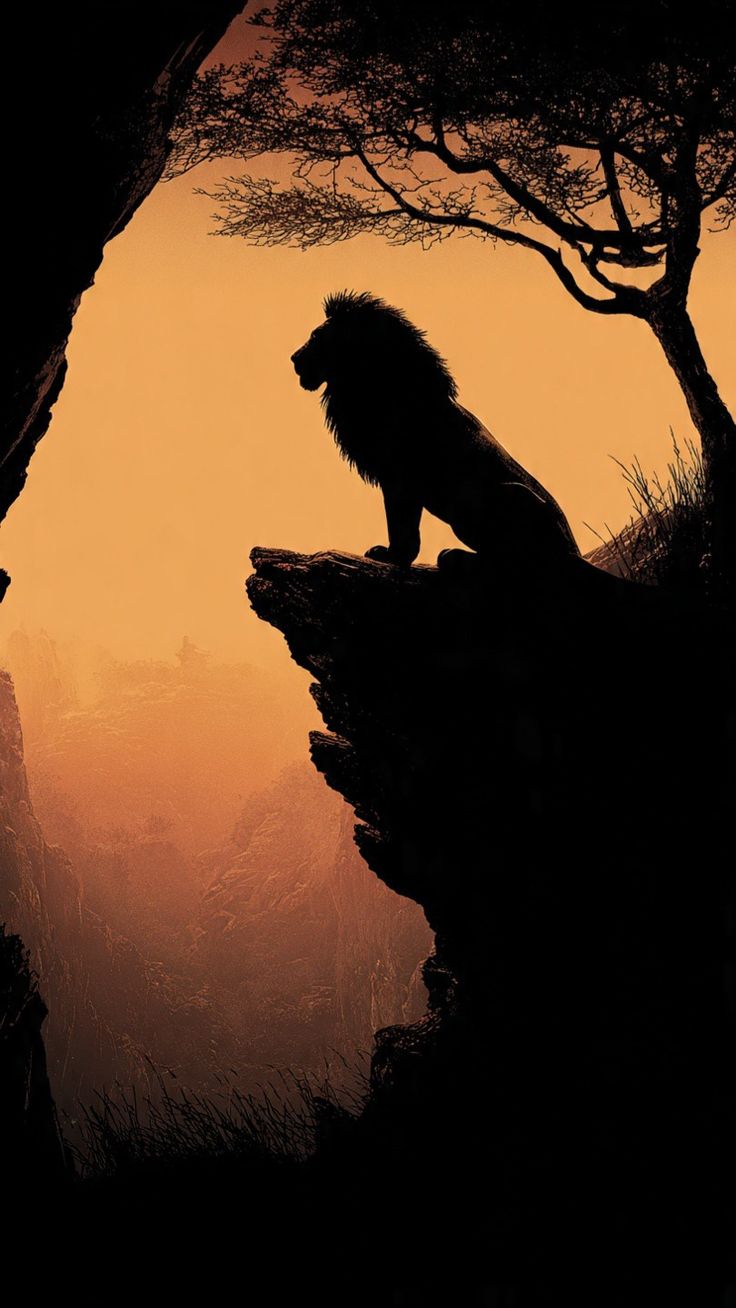
The lion is one of the most powerful, majestic, and respected animals on Earth. Often called the “King of the Jungle,” the lion is actually found mostly in grasslands and savannas rather than jungles. Scientifically known as Panthera leo, this magnificent big cat has captured the imagination of humans for centuries. From ancient symbols of royalty to modern wildlife documentaries, lions continue to inspire awe and admiration.
In this detailed article, we will explore everything about lions — their habitat, physical characteristics, behavior, hunting techniques, social structure, conservation status, and their importance in culture.
🏞️ Habitat and Distribution
Lions primarily live in the vast savannas, grasslands, and open woodlands of Africa. They prefer areas with plenty of prey and access to water. Countries like Kenya, Tanzania, South Africa, and Botswana are well known for their lion populations.
Interestingly, there is also a small population of lions in India. These are called Asiatic lions and are found in Gir National Park. Asiatic lions are slightly smaller than their African relatives and have some physical differences, such as a fold of skin along their belly.
Although lions once roamed across Africa, Asia, and even parts of Europe, their range has dramatically reduced due to human activities, habitat loss, and hunting.
🦁 Physical Characteristics
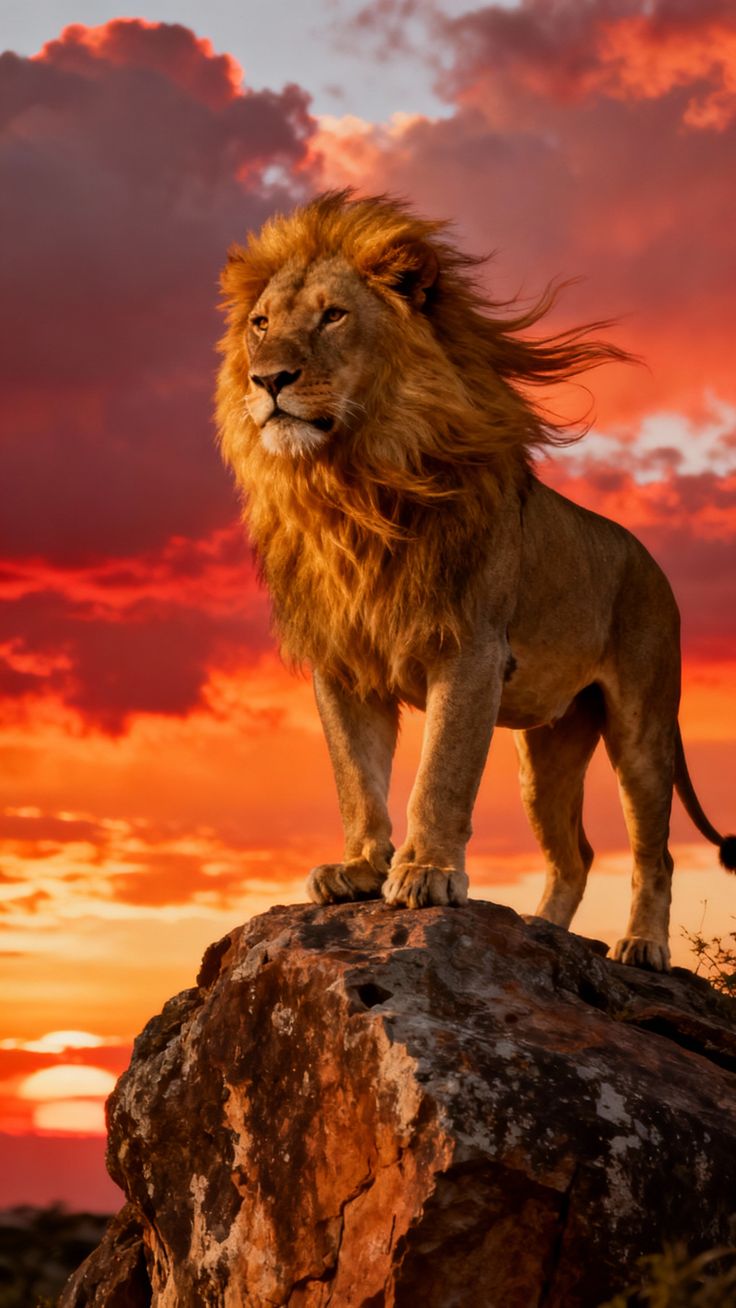
Lions are among the largest members of the cat family. Male lions are especially impressive due to their thick mane of hair around the neck and head. The mane varies in color from blonde to dark brown and even black. It not only makes the lion look larger and more intimidating but also protects the neck during fights.
- Weight: Males can weigh between 150–250 kg.
- Length: Up to 10 feet including the tail.
- Lifespan: Around 10–14 years in the wild.
Female lions, known as lionesses, are smaller and do not have manes. However, they are more agile and are the primary hunters of the pride.
Their powerful jaws, sharp claws, and muscular bodies make them highly efficient predators. A lion’s roar can be heard from up to 8 kilometers (5 miles) away, making it one of the loudest calls in the animal kingdom.
👨👩👧👦 Social Structure – The Power of the Pride
Unlike most other big cats, lions are social animals. They live in groups called “prides.” A typical pride consists of:
- 1–3 adult males
- Several lionesses
- Cubs (young lions)
The lionesses in a pride are usually related — sisters, mothers, daughters — and they stay together for life. Male lions may leave their birth pride when they grow older and try to take over another pride.
The male lion’s main role is to protect the pride’s territory and defend the cubs from rival males. Lionesses, on the other hand, are responsible for hunting and raising the young.
This cooperative lifestyle makes lions unique among wild cats.
🍖 Hunting and Diet
Lions are carnivores, meaning they eat meat. Their diet mainly includes:
- Zebras
- Wildebeests
- Buffalo
- Antelopes
Lionesses work together during hunts. They use teamwork and strategy, surrounding their prey and attacking from different angles. Their strong legs allow them to sprint at speeds of up to 80 km/h for short distances.
Although they are powerful hunters, lions are not always successful. Sometimes they steal food from other predators like hyenas or leopards.
After a successful hunt, male lions usually eat first, followed by females and cubs.
👶 Reproduction and Cubs
Lionesses give birth to 1–4 cubs after a gestation period of about 110 days. Cubs are born blind and depend completely on their mother for survival.
In the wild, cub mortality is high due to predators, starvation, and male takeovers. When a new male lion takes over a pride, he may kill existing cubs to bring females back into breeding condition.
Cubs begin learning to hunt at around 1 year old and become fully independent by the age of 2–3 years.
⚔️ Territory and Roaring Power
Lions are territorial animals. A pride’s territory can range from 20 to 400 square kilometers, depending on food availability. Male lions mark territory by roaring, scent marking, and patrolling.
The roar of a lion serves several purposes:
- Warning rival males
- Calling pride members
- Demonstrating strength
This powerful roar is one of the reasons lions are considered rulers of the savanna.
🌍 Conservation Status
Lions are currently classified as “Vulnerable” by conservation organizations. Over the past century, lion populations have decreased by nearly 40%.
Main threats include:
- Habitat destruction
- Human-wildlife conflict
- Poaching
- Illegal wildlife trade
Conservation efforts are being led by organizations like World Wildlife Fund and local wildlife authorities across Africa.
Protected areas and national parks are playing a major role in ensuring the survival of lions for future generations.
🏛️ Lions in Culture and History
Lions have symbolized strength, courage, and royalty for thousands of years. In ancient civilizations such as Egypt and Mesopotamia, lions were associated with kings and gods.
In modern times, lions are popular in films and literature. One of the most famous representations of lions is in the Disney movie The Lion King, which tells the story of a young lion named Simba who learns about responsibility and leadership.
Lions also appear on national flags, emblems, and sports team logos around the world.
🦁 African vs Asiatic Lions
There are two main subspecies of lions:
- African Lion – Found in sub-Saharan Africa.
- Asiatic Lion – Found only in India.
The Asiatic lion population is much smaller but has been slowly increasing due to conservation efforts in Gir National Park.
🌅 The Role of Lions in the Ecosystem
Lions are apex predators, meaning they are at the top of the food chain. Their presence helps maintain ecological balance by controlling herbivore populations.
Without lions, prey animals like zebras and antelopes would overgraze grasslands, damaging the ecosystem.
This makes lions extremely important for biodiversity and environmental health.
🧠 Intelligence and Behavior
Lions are intelligent animals with complex social behaviors. They recognize each other’s roars and communicate using body language, facial expressions, and scent marking.
They spend around 16–20 hours a day resting to conserve energy for hunting. Most of their activity happens during the night or early morning.
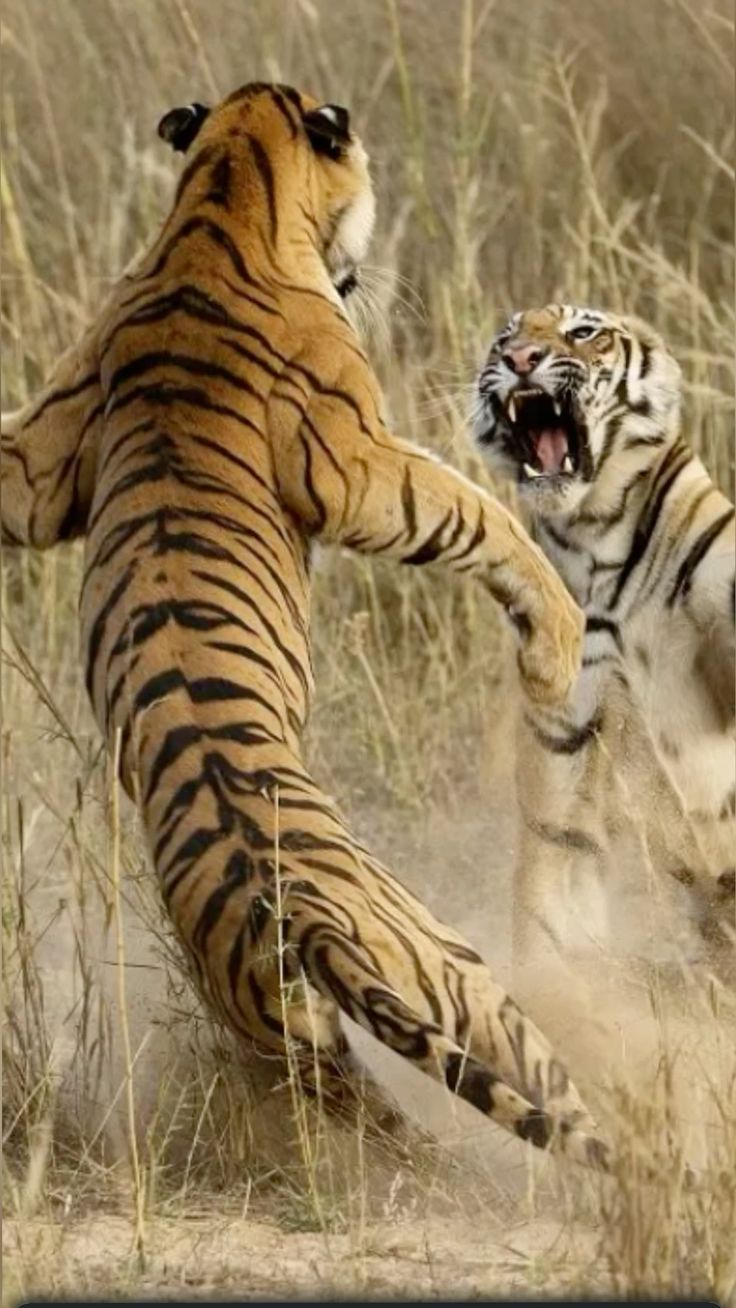
Male lions often fight fiercely for dominance. These battles can be intense and sometimes fatal.
🛑 Human Interaction and Challenges
Human expansion has led to increased conflict between lions and local communities. When lions attack livestock, farmers may retaliate by killing them.
To reduce conflict, conservation programs now focus on:
- Educating communities
- Building predator-proof livestock enclosures
- Promoting eco-tourism
Eco-tourism has become a major source of income for African countries and provides financial incentives to protect wildlife.
🏆 Why the Lion Is Called the King
The lion earns its title as “King of the Jungle” because of:
- Its majestic appearance
- Powerful roar
- Social dominance
- Strength and bravery
Although tigers are larger in size, lions symbolize leadership because of their pride-based society and territorial control.
🔮 The Future of Lions
The future of lions depends on strong conservation efforts, government policies, and global awareness. If protected properly, lion populations can recover.
Wildlife reserves, anti-poaching laws, and global support are essential to ensure that future generations can witness the beauty and power of lions in the wild.
📌 Conclusion
The lion truly deserves its title as the “True King of the African Jungle.” With its powerful roar, impressive mane, and strong social bonds, the lion stands as one of nature’s most extraordinary creatures.
From the vast plains of Africa to the forests of India, lions continue to dominate their territories with unmatched strength and grace. However, their survival is not guaranteed. Human responsibility and conservation efforts are crucial to protect this iconic species.
The lion is not just a predator — it is a symbol of courage, unity, and royal strength that has inspired humanity for centuries.
If you want, I can also add SEO meta description, FAQs section, or headings optimized for blogging for your website.

Leave a Reply