
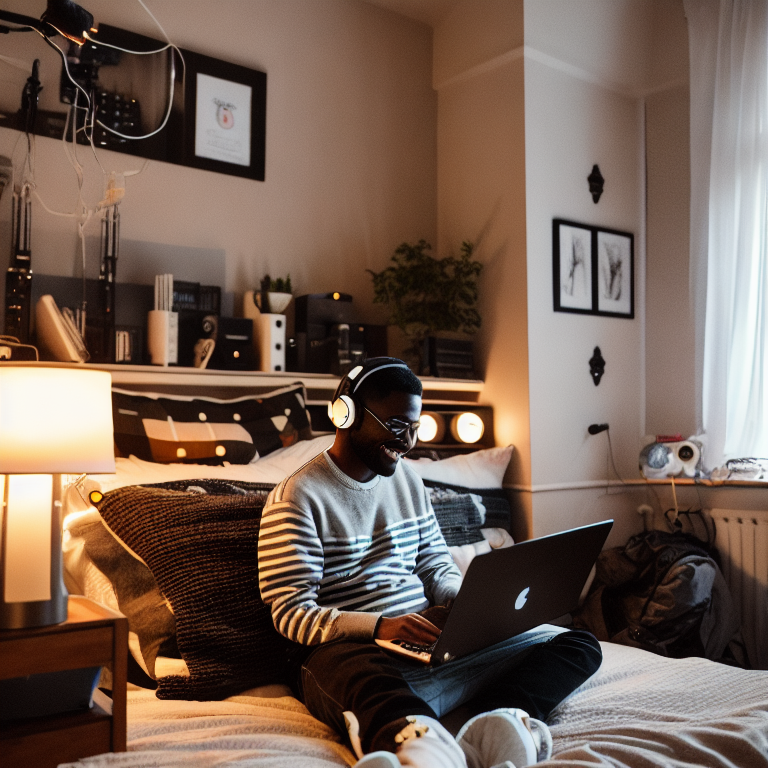
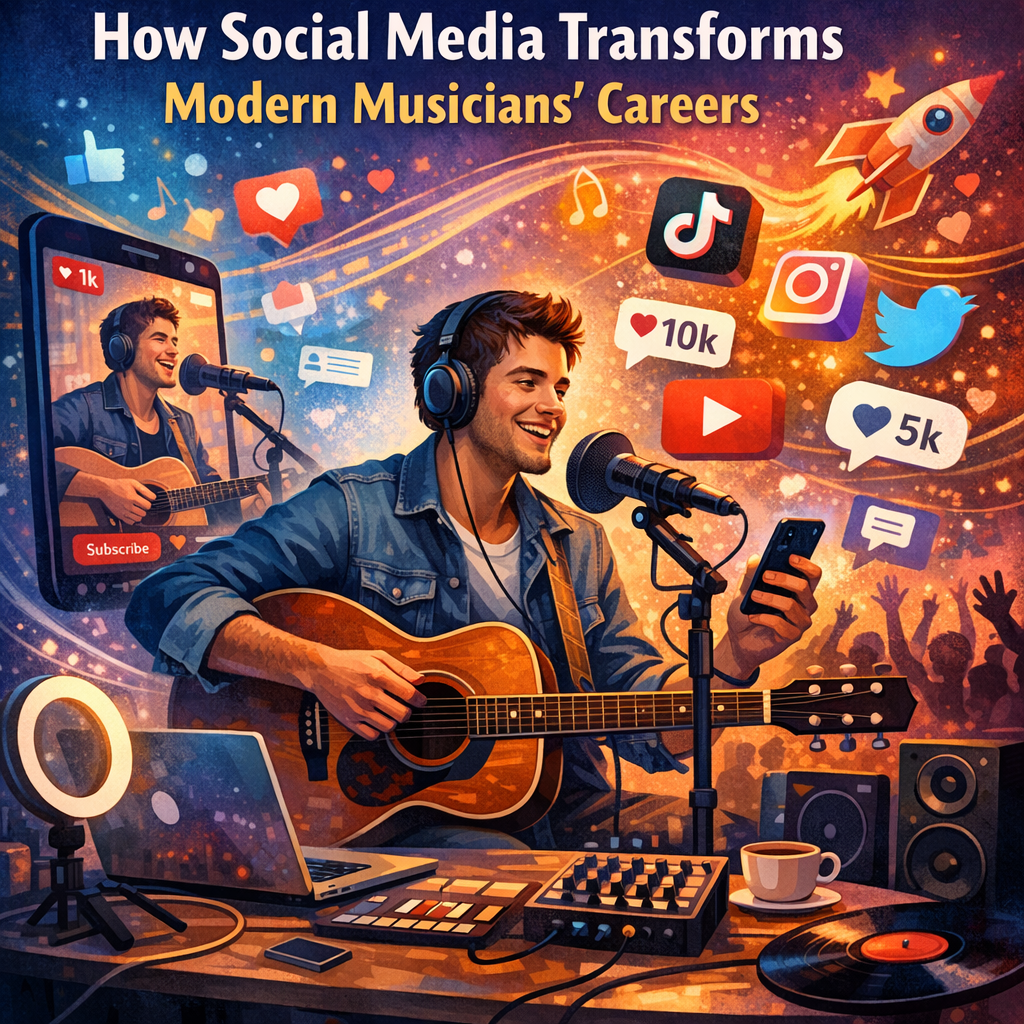
Social media has completely transformed how musicians build their careers. What once required record labels, radio airplay, and industry connections can now happen through Instagram posts, TikTok videos, and YouTube channels. Today, musicians can reach millions of fans without even leaving their bedrooms.
The power of social media for musicians cannot be overstated. These platforms have become the primary way artists connect with fans, share their music, and even get discovered by industry professionals. From bedroom producers to international touring bands, nearly every musician now relies on social media to grow their audience and advance their careers.
Building Direct Fan Connections
Social media allows musicians to communicate directly with their fans. Instead of relying on interviews, press releases, or media coverage, artists can instantly share what they are working on, post behind-the-scenes content, and respond to fan comments.
This direct interaction helps build stronger relationships between artists and their audience. When fans see a musician’s personality, daily life, and creative process, they feel more connected to the journey. As a result, these fans often become more loyal and supportive, purchasing albums, attending concerts, and buying merchandise.
Another advantage is real-time feedback. Artists can share snippets of unreleased songs, ask for opinions on album artwork, or gather suggestions for tour locations. This two-way communication helps musicians create content that resonates more strongly with their audience.
The Viral Effect of Short-Form Video
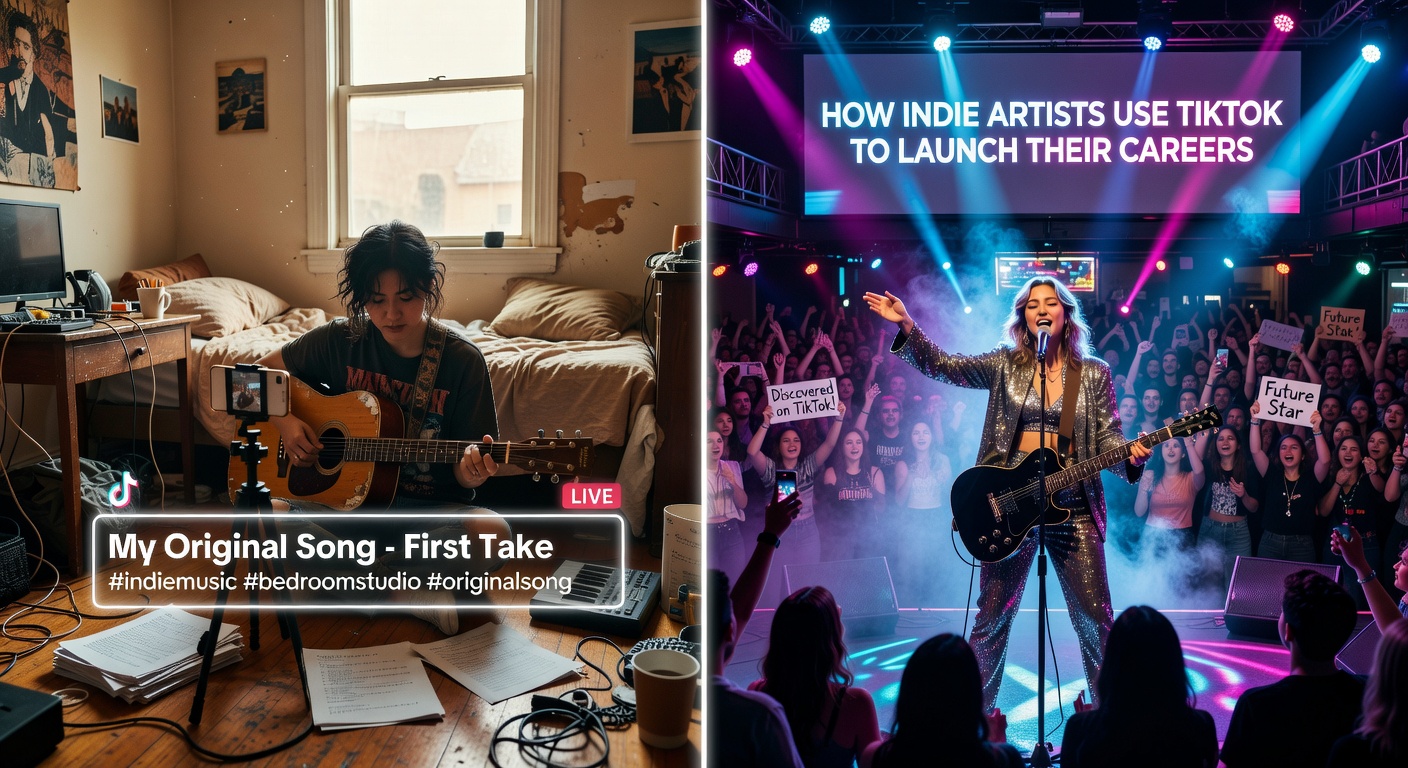
Platforms like TikTok and Instagram Reels have become powerful engines for music discovery. A short 15-second clip of a catchy song can quickly spread across millions of videos and lead to massive streaming numbers.
Many modern hits started as viral trends on these platforms, often through dance challenges, lip-sync clips, or creative edits made by users.
As a result, some musicians now design songs with short-form content in mind. They may add a memorable hook at the beginning of a track or create specific moments that work well for short video clips. Some artists even release short previews of songs to test audience reactions before finishing the full release.
Because of this viral potential, unknown artists can suddenly gain massive exposure. A single viral video can lead to record deals, playlist placements, and sold-out shows.
Content Creation as a Full-Time Job
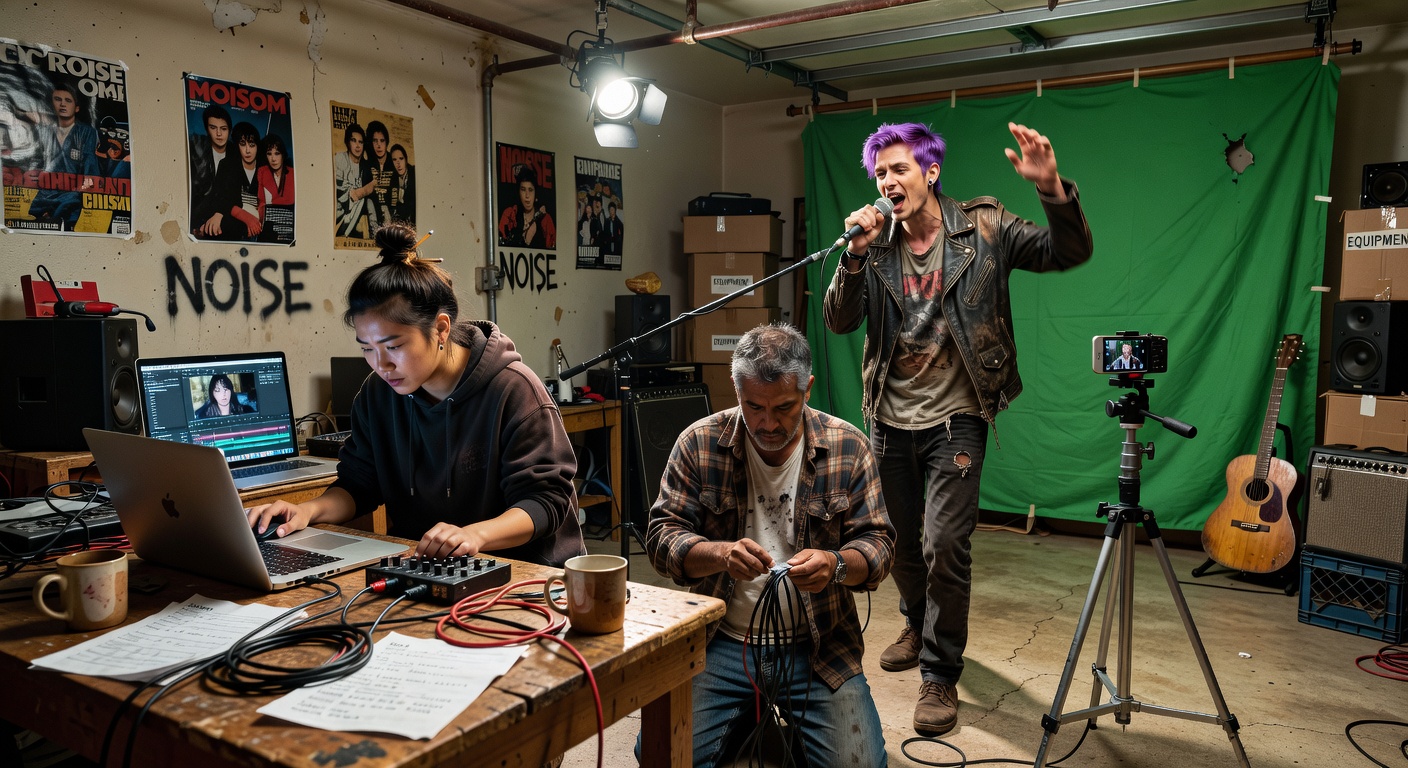
Being a musician today often means being a content creator as well. Artists spend a significant amount of time producing social media content such as posts, stories, livestreams, and short videos to keep their audience engaged.
Content creation has become part of the overall creative workflow. Musicians now think about how their songs will appear in videos, how photos will support album promotion, and how their story will be presented across multiple platforms.
Some artists even work with dedicated content teams to manage their online presence.
Although this constant content production can be exhausting, it is often necessary to remain visible. Social media algorithms favor consistent activity, so maintaining a regular posting schedule helps ensure that content continues reaching fans.
Monetization Beyond Music Sales
Social media has also created new income opportunities for musicians. In addition to streaming revenue and album sales, artists can earn through sponsored posts, affiliate partnerships, and direct fan support.
Platforms like Patreon allow fans to financially support their favorite artists in exchange for exclusive content, early music releases, or private community access.
Merchandise promotion has also evolved. Artists frequently use social media to showcase new products, run limited-time offers, and build merchandise that reflects their personal brand.
Live streaming has become another profitable avenue. Musicians can host virtual concerts, Q&A sessions, or casual jam sessions where fans purchase access or send tips. These events can sometimes be more profitable than traditional concerts due to lower production and travel costs.
The Importance of Personal Branding
Social media has made personal branding a critical part of a musician’s success. The way an artist presents themselves online influences how audiences perceive their music.
This includes profile design, visual style, messaging, and the way they interact with fans.
Successful musicians often develop a consistent aesthetic and tone across all platforms. This branding helps them stand out in a crowded industry and attract the right audience for their music.
Personal branding also affects how artists handle criticism or controversies. Their responses to feedback, social issues, and public conversations all shape their reputation.
Analytics and Data-Driven Decisions
Another major advantage of social media is access to detailed analytics. Musicians can analyze which songs perform best, which posts receive the most engagement, and where their audience is located.
This information helps artists make smarter decisions about marketing strategies, music releases, and tour planning.
For example, an artist might notice that their fan base is growing rapidly in a specific country or city. This insight could influence where they schedule their next tour stop.
Analytics also help determine the best posting times and content styles to maximize reach and engagement.
The Pressure of Constant Visibility
While social media provides many opportunities, it also creates pressure for constant visibility. Musicians often feel obligated to maintain an active online presence even when they need time away from the spotlight.
This pressure can sometimes lead to burnout or mental health challenges.
Additionally, social media comparison can be difficult. Artists frequently see the highlights of other musicians’ careers and may feel discouraged if their own progress appears slower.
For this reason, many musicians work to set boundaries, limit screen time, and focus on maintaining a healthy balance between their personal lives and their public personas.
Frequently Asked Questions (FAQ)
How important is social media for new musicians?
Social media is extremely important for new musicians. It helps them build an audience, promote their music, and connect with industry professionals. Without social media, gaining visibility in the modern music industry becomes much harder.
Which social media platform is best for musicians?
Each platform has its strengths. TikTok and Instagram are excellent for short-form content, YouTube works best for long-form videos and music videos, while platforms like X (Twitter) are useful for announcements and fan interaction.
How often should musicians post on social media?
Consistency is more important than frequency. Many musicians aim to post several times per week while maintaining a steady schedule that keeps fans engaged.
Can musicians succeed without social media?
It is possible, but significantly more difficult. Social media provides access to audiences that traditional marketing channels cannot easily reach.
How do musicians handle negative comments on social media?
Many artists choose to ignore trolls, respond professionally to constructive criticism, or use moderation tools to filter harmful comments. Maintaining boundaries is important for protecting mental health.
Conclusion
Social media has fundamentally reshaped how musicians build and sustain their careers. It offers powerful tools for connecting with fans, promoting music, and creating new income streams.
However, success on these platforms requires more than just frequent posting. Musicians must balance creativity, authenticity, and strategic content creation.
As technology continues to evolve, the relationship between music and social media will likely grow even stronger. Artists who learn to use these platforms effectively while staying true to their artistic identity will have the best chance of achieving long-term success.
Leave a Reply