
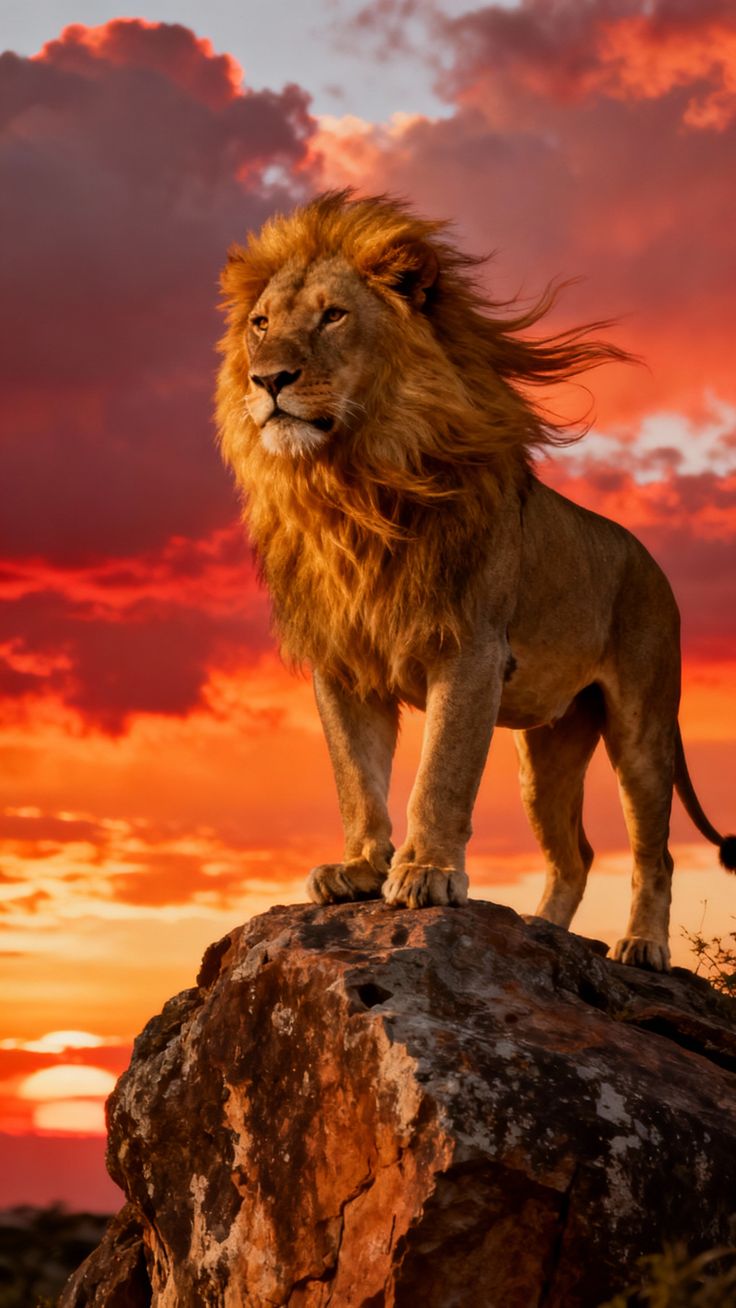
Amazing Facts About Lions You Should Know
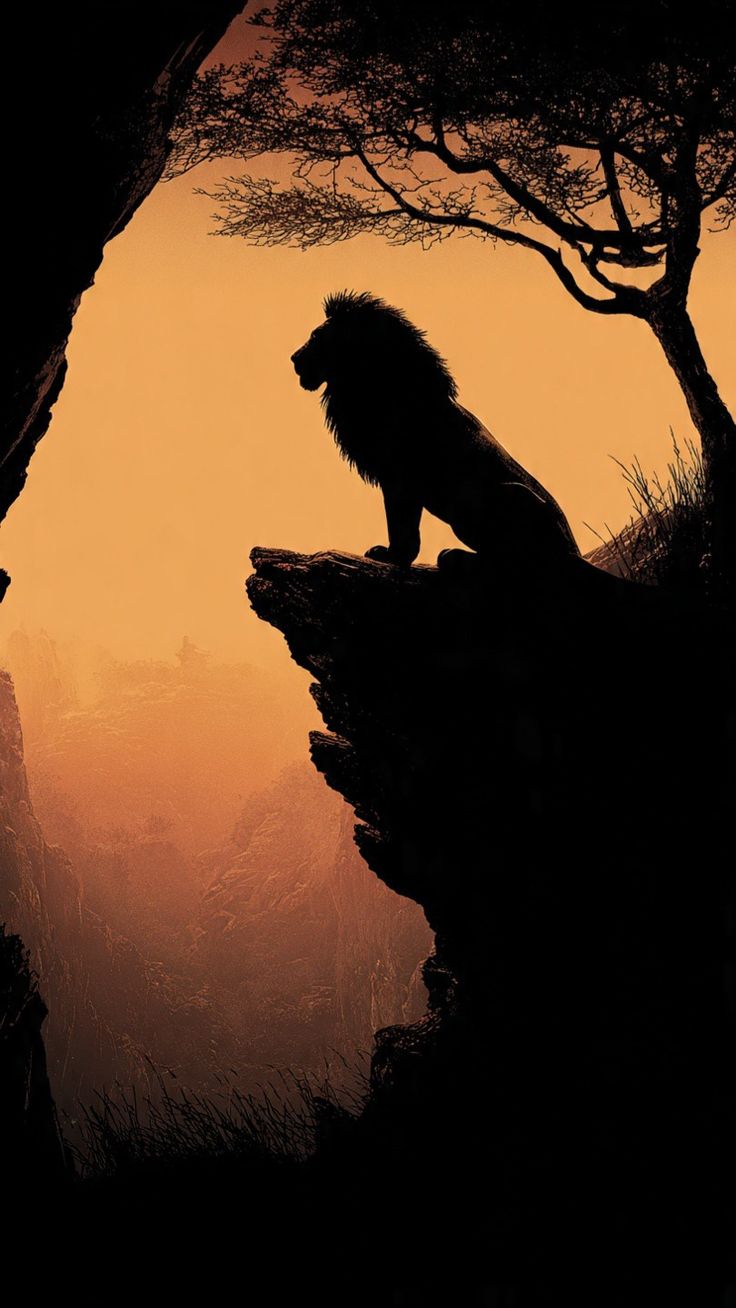
Lions are among the most fascinating and powerful animals on Earth. Known as the “King of the Jungle,” lions symbolize strength, courage, and royalty. Scientifically called Panthera leo, lions are one of the largest big cats in the world. They have captured human imagination for centuries and appear in stories, movies, flags, and ancient symbols across cultures.
In this detailed article, we will explore amazing facts about lions, their behavior, habitat, hunting style, social life, and much more.
1. Lions Are the Second Largest Big Cats
Lions are the second largest members of the cat family after tigers. An adult male lion can weigh between 150 to 250 kg, while females usually weigh between 110 to 180 kg. Their powerful bodies, strong legs, and sharp claws make them highly effective predators.
Male lions are easily recognized by their thick mane, which makes them look bigger and more intimidating. The mane color can vary from blonde to dark brown and even black.
2. Lions Live in Groups Called Prides
Unlike other big cats such as leopards or tigers, lions are highly social animals. They live in family groups called prides. A pride usually consists of:
- 3 to 15 females
- Their cubs
- 1 to 3 adult males
The females in a pride are usually related (sisters, mothers, daughters). They work together to hunt and protect their territory.
3. Female Lions Do Most of the Hunting
One of the most interesting lion facts is that lionesses are the primary hunters. They work together in groups to hunt large prey such as:
- Zebras
- Wildebeest
- Buffalo
- Antelopes
Their teamwork increases the chances of a successful hunt. While males can hunt too, they usually focus on protecting the pride’s territory from rival males.
4. Lions Have an Extremely Powerful Roar
A lion’s roar is one of the loudest sounds in the animal kingdom. It can be heard up to 8 kilometers (5 miles) away! Lions roar to:
- Mark their territory
- Communicate with pride members
- Scare off intruders
Their roar is so powerful because of a special structure in their vocal cords.
5. Lions Sleep a Lot
Despite being known as fierce hunters, lions are actually very lazy animals. They can sleep and rest for up to 16–20 hours a day. This helps them conserve energy for hunting, which requires intense bursts of power and speed.
6. Lions Are Native to Africa (Mostly)
Today, most wild lions live in sub-Saharan Africa. However, there is also a small population of Asiatic lions found in India’s Gir National Park. These lions are slightly smaller and have a different fold of skin on their belly compared to African lions.
Long ago, lions lived in parts of Europe, the Middle East, and Asia, but habitat loss and hunting reduced their range.
7. Lion Cubs Are Born with Spots
Lion cubs are born with faint spots on their fur. These spots help them camouflage in tall grass. As they grow older, the spots gradually fade.
Cubs are very playful and start learning hunting skills at a young age by watching their mothers. However, survival is tough. Many cubs do not survive due to predators, starvation, or takeover by new males.
8. Male Lions Protect the Territory
Male lions are responsible for defending the pride’s territory. They patrol large areas and mark boundaries with scent markings and roaring.
When rival males try to take over, fights can be extremely violent. If new males win control of a pride, they may kill the existing cubs to bring females back into breeding condition.
9. Lions Can Run Fast (But Not for Long)
Lions can run at speeds of up to 80 km/h (50 mph), but only for short distances. They rely on stealth and teamwork rather than long chases. They usually stalk their prey quietly before making a quick and powerful attack.
10. Lions Appear in Culture and Movies
Lions are symbols of bravery and royalty in many cultures. They appear in ancient art, national flags, and emblems.
One of the most famous lion characters in cinema is Simba from The Lion King, produced by Walt Disney Pictures. This movie made lions even more popular around the world.
11. Lions Communicate in Many Ways
Lions communicate through:
- Roaring
- Growling
- Purring
- Body language
- Tail movements
They also rub heads to show affection and strengthen social bonds within the pride.
12. Lions Have Powerful Jaws and Teeth
A lion’s bite force is extremely strong. Their sharp canine teeth can grow up to 8 cm (3 inches) long. They use their jaws to grab prey and suffocate it by biting the throat.
Their rough tongues help scrape meat off bones.
13. Lions Are Keystone Predators
Lions play an important role in maintaining balance in their ecosystem. By hunting herbivores, they prevent overgrazing and help maintain healthy grasslands.
Without lions, the ecosystem can become unbalanced.
14. White Lions Are Rare
White lions are not albinos. They have a rare genetic condition called leucism, which causes lighter fur color. These lions are extremely rare in the wild and are mostly found in protected areas.
15. Lions Are Facing Threats
Unfortunately, lions are classified as vulnerable. Their population has decreased due to:
- Habitat loss
- Human-wildlife conflict
- Poaching
- Reduction in prey
Conservation programs are working hard to protect lions and their habitats.
16. Lions Have Excellent Night Vision
Lions are mostly active at night. Their eyes are adapted for low-light conditions, allowing them to see much better than humans in the dark. This gives them an advantage during nighttime hunts.
17. A Lion’s Mane Has a Purpose
The male lion’s mane is not just for looks. It:
- Protects the neck during fights
- Makes the lion appear larger
- Attracts females
Darker manes are often associated with stronger and healthier males.
18. Lions Can Live Up to 15 Years
In the wild, lions usually live 10–15 years. In captivity, they can live up to 20 years due to proper care and no predators.
19. Lions Are Surprisingly Affectionate
Within a pride, lions show affection by grooming each other and resting together. Social bonding is very important for pride stability.
20. Lions Have Been Symbols for Centuries
Lions have been used as symbols in ancient civilizations such as Egypt and Mesopotamia. Statues and carvings of lions represented strength, protection, and power.
Even today, many sports teams and national emblems use lions as symbols of courage.
Conclusion
Lions are truly extraordinary animals. From their powerful roar and majestic mane to their strong social bonds and teamwork, lions continue to amaze scientists and wildlife lovers around the world. As the mighty Panthera leo, they play a crucial role in maintaining ecological balance.
However, they face serious threats in the wild. Protecting lions means protecting entire ecosystems. By supporting wildlife conservation and spreading awareness, we can help ensure that future generations will continue to admire these magnificent creatures.
Lions are not just the “King of the Jungle” — they are a symbol of nature’s power, beauty, and resilience. 🦁

Leave a Reply